

Translations
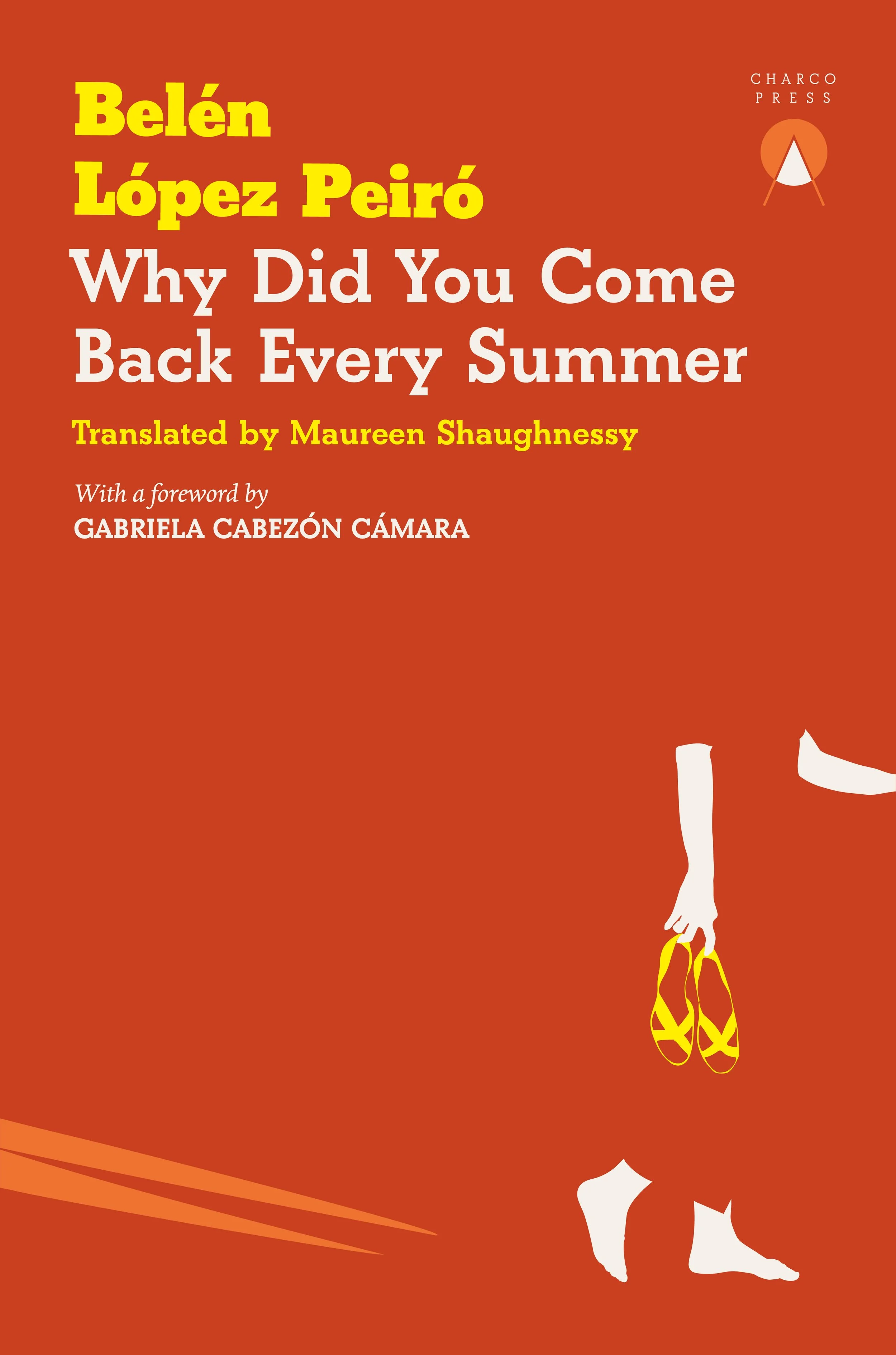
Belén López Peiró
Translated by Maureen Shaughnessy
A fractured account of family abuse, secrets, and the cost of pursuing the truth.
In the most private spaces, the most intimate betrayals occur. Belén López Peiró places us squarely in the tenderest of times—young teenagehood, in a home about to be ruptured by sexual assault. In this home, for this young woman, your assailant is your uncle, and also a police commissioner. The people who shelter you will reject you: your mother is his sister-in-law, your beloved aunt his wife and your cousin and friend his daughter. And the truth of what happened will depend entirely on you.
Why Did You Come Back Every Summer is a document of uncertainty, self-doubt, and the appearance of progress when there is none. A chorus of voices interrupt and overtake each other; interviews and reports are filed. The truth will be heard but how and by whom? Loyalties will shift and slip. And certain questions have no easy answers. What do you owe to your family? What do they owe you? How far will you go to get yourself back?

Lucía Lijtmaer
Translated by Maureen Shaughnessy
Fantasies, or are they premonitions, of a great wave, an impending apocalypse, threaten to swamp a young woman trapped in a slowly curdling relationship. From the outside it all looks good—the casually elegant apartment, the cocktail parties, the impressive, creative friends—but for all her supposed freedom, her unhappiness means she’s not living up to her side of the bargain. Why, everyone asks, is this not enough? Four hundred years earlier, formidable, irascible Deborah Moody marries, is disappointed, is widowed, loses a child, loses everything, and flees England for the Massachusetts Bay Colony. She finds her fortune there, but if relying on a husband proved a mistake, independence doesn’t mean freedom from the dangerous vanities of men. Funny, cutting, and a savage indictment of the cheap consolations of meme-ified faux feminism, misplaced solidarity, and sacrifices for the supposed greater good, Cautery offers us two women (one based on a historical figure, one imagined) who share a final vision of true happiness—burning it all down and beginning again.
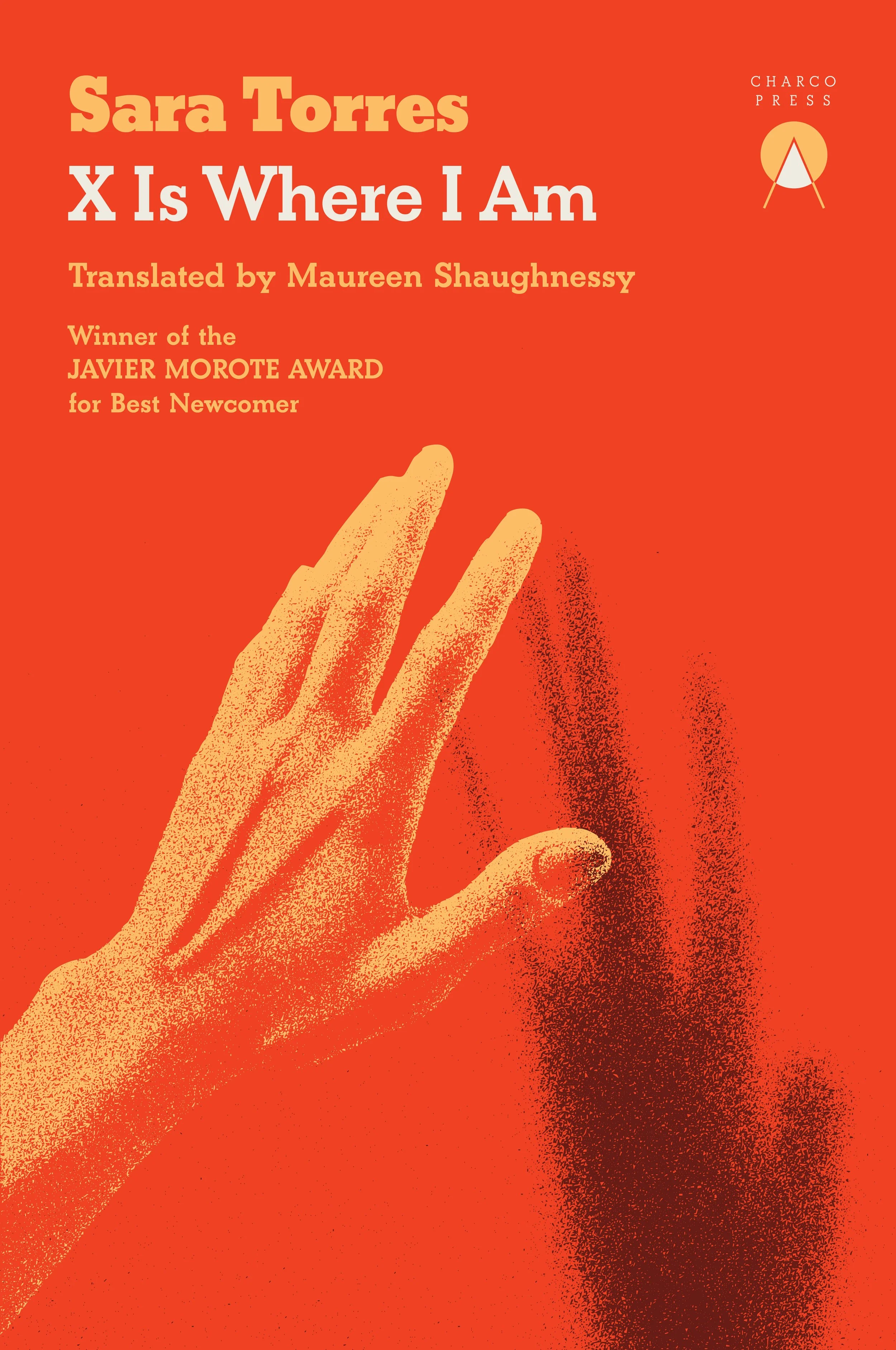
Sara Torres
Translated by Maureen Shaughnessy
A searching, buoyant novel about queer love, mothers and daughters, and making a life in the face of the only constant: loss.
Every story is a love story. In a Barcelona redolent with Almodóvar vibes, the love is between women: overlapping and messy attachments between friends, young lovers, mothers and daughters. As Sara’s mother dies, her daughter is in bed with a new obsession. She’s wracked with guilt, but the persistence of need, the demands of the body, refuse to take a dignified pause for the observance of another body leaving this world. If one of the projects of growing up is being defeated by the limits of control we have over ourselves and others, the frustration of trying and failing to be understood, then Sara’s loss, her lovers, and her longterm girlfriend are her passage from 28 and casting about to a little bit older and a little bit more sorted out. If love is “more like a quagmire than anything else—sometimes sombre, sometimes blinded by light,” then X Is Where I Am is one young woman’s fractious, hopeful, attempt to give in to it.