

Translations

Julián Fuks
Translated by Daniel Hahn
‘My brother is adopted, but I can’t say and don’t want to say that my brother is adopted. If I say this, if I speak these words that I have long taken care to silence, I reduce my brother to a single categorical condition, a single essential attribute…’
A young couple, involved in the struggle against the military dictatorship in 1970s Argentina, must flee the country. The brutality and terror of the regime is closing in around them. Friends are being ‘disappeared’. Their names are on a list. Time is running out. When they leave, they take with them their infant son, adopted after years of trying for a child without success. They build a new life in Brazil and things change radically. The family grows as the couple have two more children: a son and a daughter.
Resistance unfolds as an intimate portrayal of the formation of a family under extraordinary circumstances, told from the point of view of the youngest child. It’s an examination of identity, of family bonds, of the different forms that exile can take, of what it means to belong to a place, to a family, to your own past.
Already winner of the Jabuti Award for Book of the Year 2016 (Brazil), the José Saramago Literary Prize 2017 (Portugal) and the Anna Seghers Prize 2018 (Germany), Resistance demonstrates remarkable courage and skill by one of Brazil’s rising literary stars.
‘A brilliant achievement.’ Le Monde
Named in The Guardian’s ‘Best fiction for 2018’
Publish date: October 4th 2018

Antônio Xerxenesky
Translated by Daniel Hahn
In a small village in the Swiss Alps, in the aftermath of World War II, particle physics and psychiatry grapple with a forever changed world.
Nicholas walks the wooded path between the sanitarium where he works and his home, alert to a possible menace lurking in the trees, haunted by the possibility of an evil just out of sight. His days are spent ministering to minds that have been grievously damaged by the years of brutal conflict, violence suffered and violence abetted. The patients have different stories, but none of them have left the war behind. Anna, his wife, looks for meaning among the scientists she works with, exploring the dark matter that orders the universe. Failures of nerve and intrusions from the past dog them both, and neither is able to fully inhabit the present, that moment that is also—to Einstein, and in Jewish tradition—eternity. An infinite sadness, Xerxenesky offers, may be “the size of the universe or of the empty space inside an atom” and no certainty can defeat it, no reckoning be sufficient.

Julián Fuks
Translated by Daniel Hahn
Known and celebrated in Brazil and abroad for his novel Resistance, Julián Fuks returns to his auto-fictional alter ego Sebastián in a narrative alternating between the writer’s conversations with refugees occupying a building in downtown São Paulo, his father’s sickness, and his wife’s pregnancy. With impeccable prose, the author builds associations that go beyond the obvious, not only between glimpsing a life's beginning and end, but also between the building’s occupation and his wife's pregnancy — showcasing the various forms of occupation while exposing the frailty of life, the risk of solitude and the brutality of not belonging.
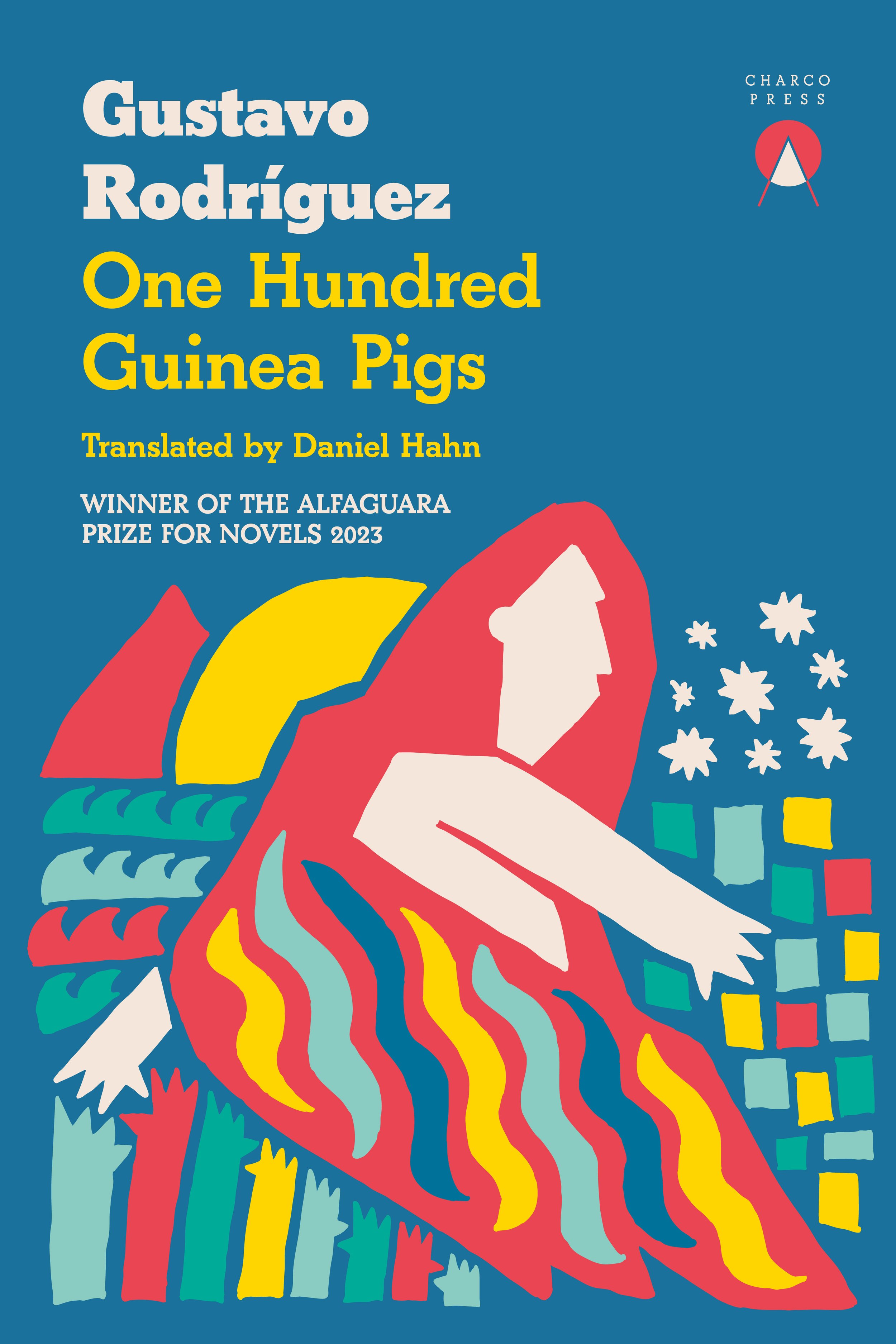
Gustavo Rodríguez
Translated by Daniel Hahn
Friendship makes life worth living, and worth ending too.
Eufrasia Vela is a caregiver—it’s not just her job. But when she begins working with Doña Carmen, a bedridden elderly woman who spends her days staring out the window at her now-obstructed view of the sea, she confronts the limits to her ability to help. That is, until Doña Carmen makes a big, last request: to transform her caretaking from helping her stay alive to helping her die. A good death has much in common with a good life, after all, and incapacity, loneliness, and isolation are devastations that a compassionate friend can help ease. Dignity, community, respect, and generosity—they’re what Eufrasia offers her clients, and what their friendship offers her. One Hundred Guinea Pigs is the lifegiving, warmhearted novel about euthanasia you didn’t know you needed.

Martín Kohan
Translated by Daniel Hahn
Brutal and overwhelming, Confession wrestles with the legacy of Argentina’s past and the passions of one young girl.
When Mirta López looks out the dining room window, she sees a slim, self-possessed older boy on his way back from school. It’s 1941 in provincial Argentina, and the sight has awakened in her the first uncertain, unnerving vibrations of desire. Naturally, she confesses. But she cannot stop herself.
Over thirty years later, in 1977, that same young man is a general, leading the ruling military junta of a country, and a cell of young revolutionaries plot an audacious attack on him, and the regime.
Writing from the present into the past, Martín Kohan maps the contours of Argentina’s 20th century, but finds his centre in one woman – devout, headstrong, lit up with ideas of right and wrong – not the grand historical figures of her lifetime’s omnipresent, brutalizing history. And yet, there is great beauty in Confession , its decades and landscapes, and the legacy of love and guilt, pieties religious and civic, that play out in one family and against the background of dictatorship’s traumas.
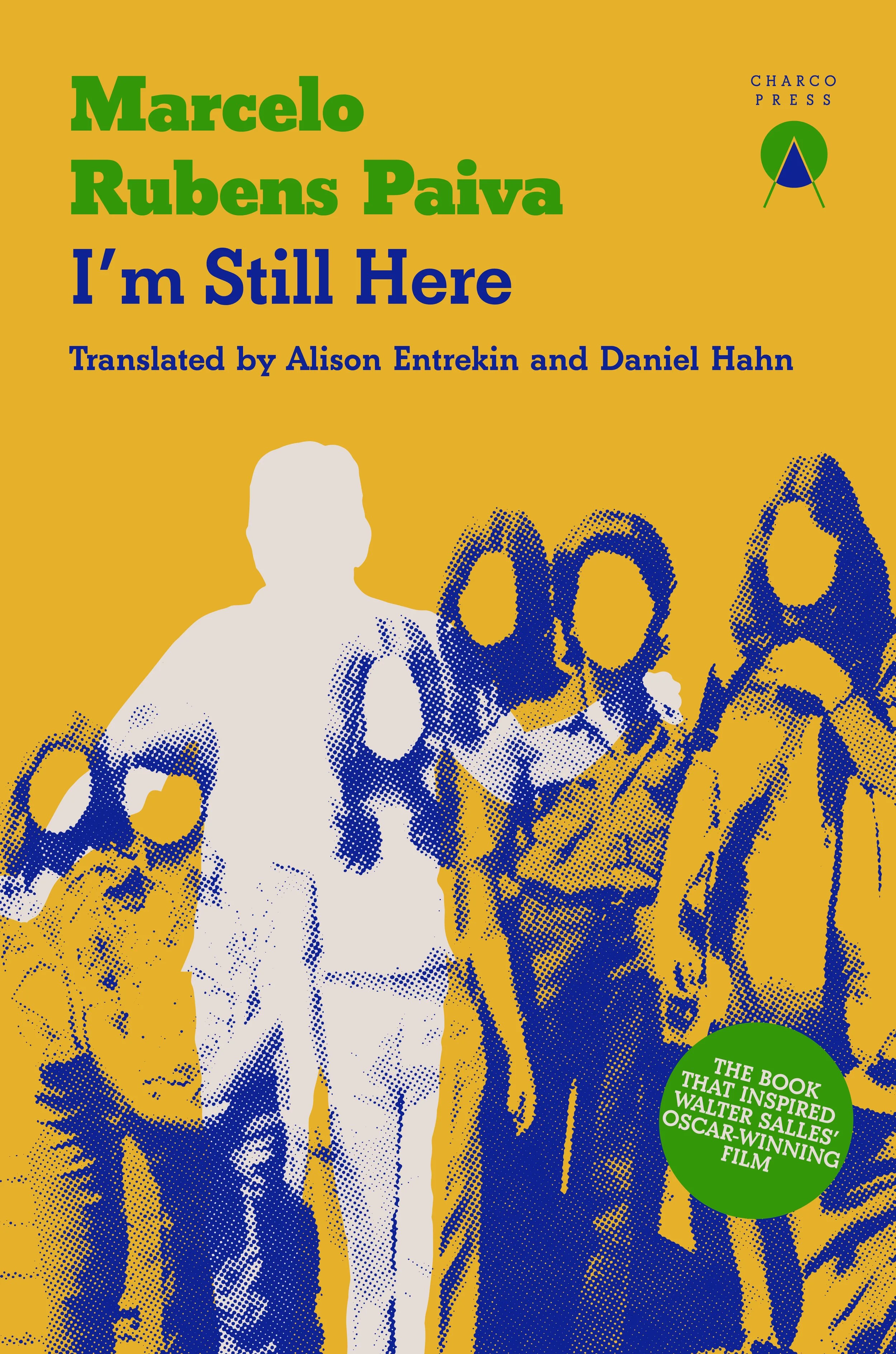
Marcelo Rubens Paiva
Translated by Alison Entrekin and Daniel Hahn
Winner of the Academy Award for Best Foreign Feature.
When Marcelo Rubens Paiva was 11 years old, his father was tortured to death by the Brazilian dictatorship. 25 years later, his mother, Eunice, helped usher into law a way for the families of the regime’s victims to finally have their deaths formally acknowledged, and allow them to seek compensation. In between, the unspooling of Brazilian democracy, and then the terrors and everydayness of life under the dictatorship, are where Paiva discovers his mother, and himself.
Eunice Paiva — who always preferred reading a novel to cavorting with her children, who was charming, and glamorous, and who never let anyone see her cry — responded to the shock of her widowhood by going back to law school in her 40s while raising five children alone, and then becoming a heroic advocate for Brazil’s indigenous people. For her only son, his father’s death catapulted him from a childhood spent playing soccer on the beach in Rio into the rest of his life, one characterized by the awe, and confusion, of a young man, still in mourning, watching his relentless, brilliant mother plunge their family ever forward.
I’m Still Here is the wry, deeply evocative, and endlessly compassionate story of how a family went from raucous, sun-soaked relative innocence to a deep and abiding commitment to justice — not just for themselves, but for democracy, the marginalized, and the truth itself. “Carry on. Keep going. Wait for another bonfire to be lit on high, another beam of light to guide the way back to the coast, to solid ground.”
Publishing October 2026
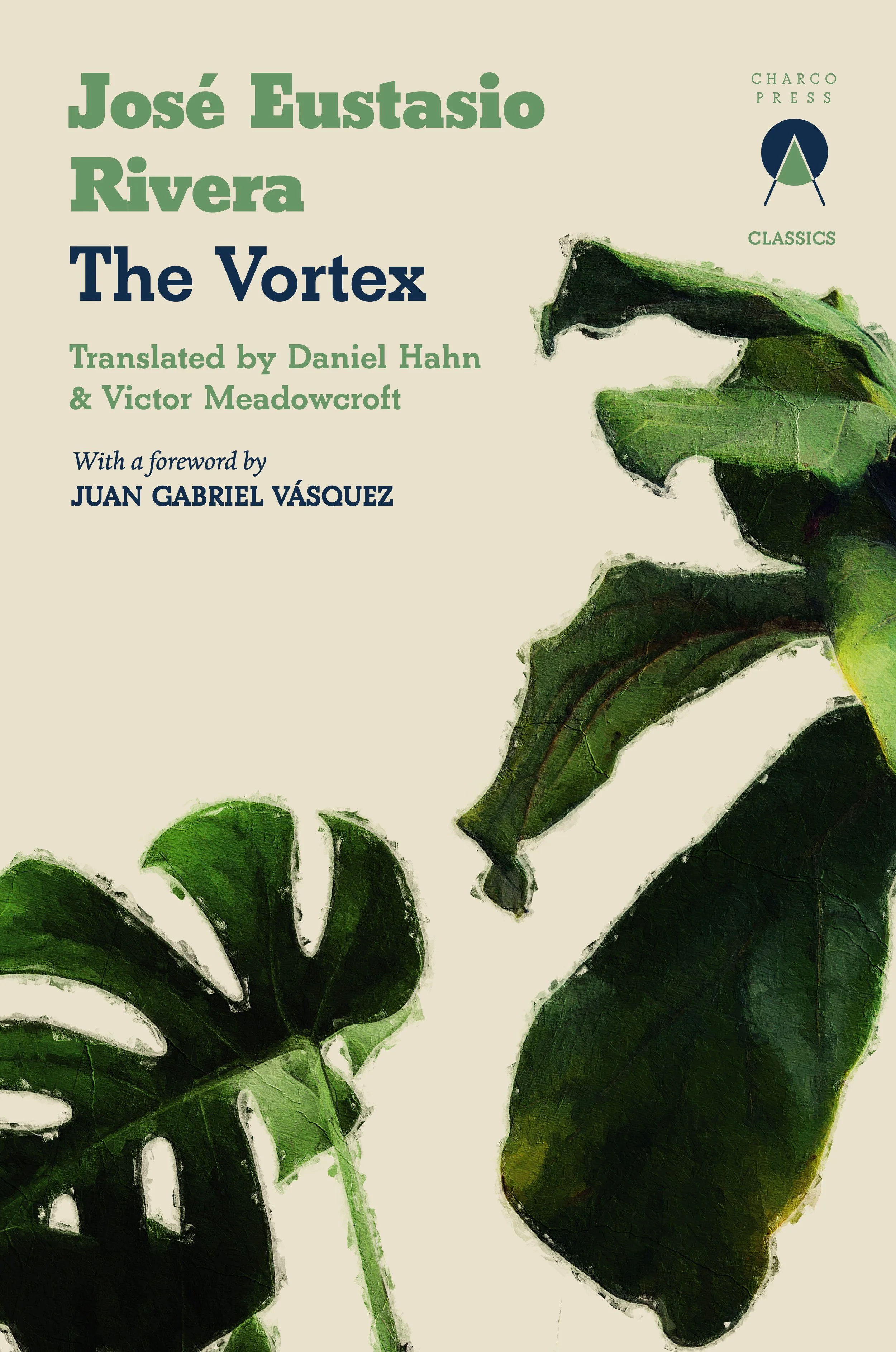
José Eustasio Rivera
Translated by Victor Meadowcroft and Daniel Hahn
“The most influential Colombian novel before Gabriel García Márquez.”—Times Literary Supplement
A new translation of a Latin American classic, José Eustasio Rivera's The Vortex follows the young poet Arturo Cova and his lover, Alicia, as they elope from Bogotá and embark on an adventure through Colombia's varied and magical landscapes. When Alicia—pregnant, jealous, and more than a little fed up—disappears, it’s up to Arturo, and his unstoppable ego, to follow and win her back. From the cattle ranches of the llanos to the dense jungle of the rainforest, accompanied by hucksters, cowboys, desperate souls, and a terrifying tide of ants, Arturo pursues his bride-to-be, and becomes an inadvertent witness to the appalling conditions suffered by workers forced or tricked into tapping rubber trees.
Inventive, funny, and wildly prescient about the human and environmental costs of extractive systems, The Vortex is both a denunciation of the horrific human-rights abuses that took place during the Amazonian rubber boom, and one of most enduring renderings of the natural environment in Latin American literature. 100 years after its publication, it remains full of verve, and ready to inspire and delight a new generation of readers and writers.